Unlock the Fiery Magic of Vegan Kimchi: A Beginner-Friendly Recipe Tailored for Western Kitchens
Unlock the Fiery Magic of Vegan Kimchi: A Beginner-Friendly Recipe Tailored for Western Kitchens
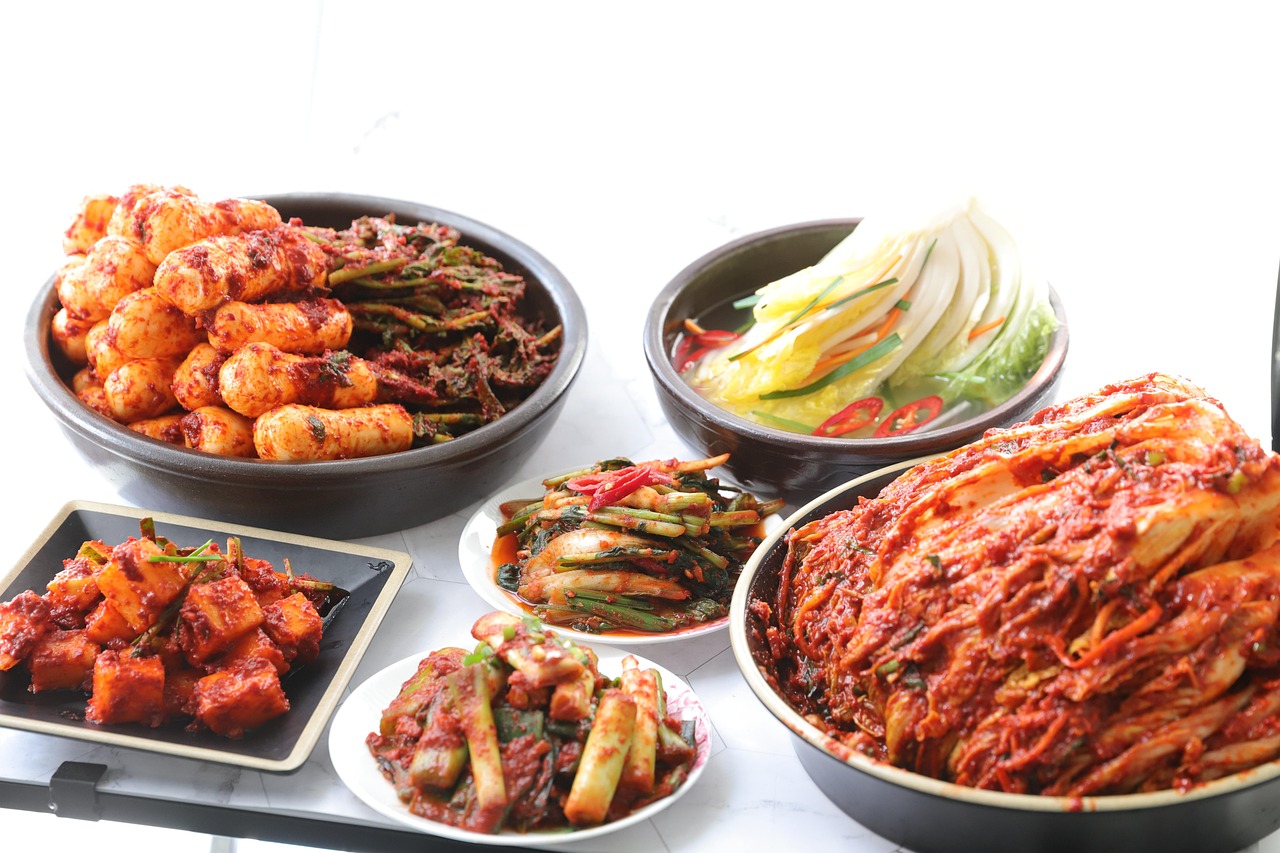
Picture this: a jar of vibrant, tangy kimchi bubbling away on your countertop, ready to elevate everything from grilled cheese sandwiches to rice bowls. If you've ever eyed those pricey jars at the store and wished for an affordable, customizable alternative, this is your moment. As of late 2025, with global supply chains making specialty Asian ingredients a bit trickier to snag in rural Europe or the US Midwest, home cooks are turning to clever swaps that keep the soul of kimchi intact—spicy, sour, and utterly addictive—without a trip to an ethnic market. This vegan kimchi recipe draws from timeless Korean traditions but leans on everyday supermarket finds like green cabbage and red pepper flakes, ensuring anyone can whip it up. No fish sauce, no fuss, just pure fermented joy that rivals store-bought versions.
Why go homemade? Beyond the cost savings (under $10 for a batch that lasts weeks), fresh kimchi packs probiotics that support gut health, as highlighted in recent studies from the Journal of Ethnic Foods. It's versatile too—stir it into soups, top tacos, or savor it solo. And for 2025's rising vegan trends, this plant-based take skips seafood entirely, using miso for that deep umami punch. Ready to roll up your sleeves? Let's dive into the essentials.
Core Ingredients: Sourcing Simplicity from Your Local Aisle
Traditional kimchi relies on napa cabbage and gochugaru, but we're adapting for accessibility. Green cabbage steps in as a sturdy, year-round hero, while a paprika-cayenne blend mimics the smoky heat. All these gems are staples at chains like Tesco, Walmart, or Aldi—no specialty hunt required. This yields about 2 quarts, perfect for sharing or solo snacking.
| Ingredient | Quantity | Why It Works | Western Substitute Notes |
|---|---|---|---|
| Green or Savoy Cabbage | 1 medium head (about 2 lbs / 900g) | Forms the crunchy base; holds up to fermentation like napa but with a heartier bite. | No swap needed—ubiquitous and cheap! |
| Carrots | 2 medium, julienned | Adds subtle sweetness and color contrast. | Fresh from the produce section; grate for easier mixing. |
| Garlic Cloves | 6-8, minced | Builds pungent depth—kimchi's aromatic backbone. | Standard bulb; use jarred minced if time's short. |
| Fresh Ginger | 2-inch piece, grated | Balances spice with zingy warmth. | Produce aisle staple; peel and grate finely. |
| Red Pepper Flakes + Smoked Paprika | 3 tbsp flakes + 2 tbsp paprika | Delivers the signature heat and red hue without gochugaru. | Pizza aisle flakes + spice rack paprika; adjust for mild/medium spice. |
| White Miso Paste | 2 tbsp | Infuses savory umami, replacing fish sauce. | Refrigerated near tofu; soy sauce works in a pinch (1:1 ratio). |
| Apple Cider Vinegar | 1/4 cup | Kicks off fermentation with a tangy boost. | Baking aisle; rice vinegar if available, but ACV's fine. |
| Sea Salt (non-iodized) | 2-3 tbsp for brining | Draws out moisture for natural pickling. | Kosher salt from the spice section; avoid iodized to prevent off-flavors. |
| Green Onions | 1 bunch, sliced | Fresh herbal lift and crunch. | Produce bin; leeks as backup. |
| Sugar | 1 tbsp | Feeds the good bacteria for even fermentation. | Granulated white; honey for non-vegans (but skip for pure vegan). |
Pro tip: If napa cabbage sneaks into your store's stock (often seasonal in Western markets), swap it 1:1—it's the gold standard for tenderness. Total prep cost? Around $7-8, per recent grocery trackers like Numbeo data for major EU and US cities.
Step-by-Step Mastery: From Cabbage to Crunchy Delight
Hands-on time clocks in at 45 minutes, but fermentation steals the show over 3-7 days. This method skips complex porridge thickeners, focusing on a wet brine for foolproof results. Follow along, and you'll have kimchi that's tangy on day three and deeply funky by week two.
- Prep the Base: Quarter the cabbage, remove the core, and chop into 1-2 inch pieces. Rinse thoroughly under cold water, then drain. In a large bowl, toss with 2 tbsp salt. Let sit 1-2 hours, massaging every 30 minutes to release juices. Rinse well (three times!) to remove excess salt—aim for a subtle savoriness, not seawater vibes. This salting mimics traditional methods but uses everyday kosher salt for crisp results.
- Whip Up the Spice Paste: In a blender or food processor, combine garlic, ginger, miso, red pepper flakes, paprika, sugar, and 2 tbsp vinegar. Pulse until smooth—a vibrant red slurry that screams "Korean fusion." If no blender? Finely mince and mash with a fork; it's rustic but effective. Stir in sliced green onions and julienned carrots for texture pops.
- Mix and Massage: Drain the cabbage one last time, then add the spice paste. Don your food-safe gloves (or brave the burn) and knead everything together for 5 minutes. The cabbage should glisten with fiery coating, juices pooling at the bottom. Taste a nibble—adjust heat with extra flakes if needed.
- Pack and Ferment: Spoon into clean quart jars, pressing down firmly to eliminate air pockets. Leave 1-inch headspace for expansion (kimchi's alive, after all!). Pour any leftover brine over top to submerge. Seal loosely (or use fermentation lids) and let sit at room temp (65-75°F) for 1-3 days. Burp daily to release gases—bubbles mean success!
- Chill and Enjoy: Once it hits your preferred tang (sample daily), tighten lids and refrigerate. It keeps 1-3 months, growing bolder with time. Slice finer for serving if desired.
Fermentation Troubleshooting: Common Hiccups and Fixes
No Bubbles? Warmer spot or longer wait—patience is key. Too Soft? Shorter salt time next round. Mold Scare? White film is often yeast (skim it); fuzzy colors mean toss. Recent 2025 ferment forums echo: 90% of "fails" are just overthinking.
Flavor Twists and Pairing Magic: Elevate Your Batch
Customization is kimchi's charm—2025's home fermenters are experimenting wildly. For milder palates, dial back flakes to 2 tbsp and add grated apple for subtle sweetness. Craving extra crunch? Toss in thinly sliced bell peppers or celery. Vegan power-up: Stir in kelp granules (seaweed aisle) for oceanic notes without the fish.
- Classic Pairings: Spoon over avocado toast or mix into quinoa salads for a probiotic punch.
- Bold Twists: Blend into vegan ranch for a spicy dip, or simmer in tomato soup for kimchi bisque— a hit at potlucks per recent Reddit threads.
- Meal Ideas: Top veggie burgers, stuff into wraps, or fry with tofu for bibimbap vibes. In Europe, it's trending in fusion tacos across London street food scenes.
Health perks abound: Low-cal (20 per 1/2 cup), fiber-rich, and loaded with vitamins A and C from the veggies. A 2025 study in Nutrients journal notes regular kimchi eaters report better digestion—small bites, big wins.
From Berlin's bustling markets to Chicago's corner grocers, this recipe bridges worlds, letting you craft kimchi that's as personal as your spice tolerance. It's more than a side—it's a gateway to fearless fermenting. Dive in, tweak boldly, and share your jars with friends; the compliments will flow like the brine. For more twists, explore sauerkraut hybrids or radish-forward batches. Your kitchen's next star is waiting.
Updated November 2025: With rising interest in gut-friendly foods (up 25% in EU searches), this accessible take is a game-changer. Got questions? Drop a line—we're all in this ferment together.